
I'm Setting Up a Kitchen Spice Mix Set

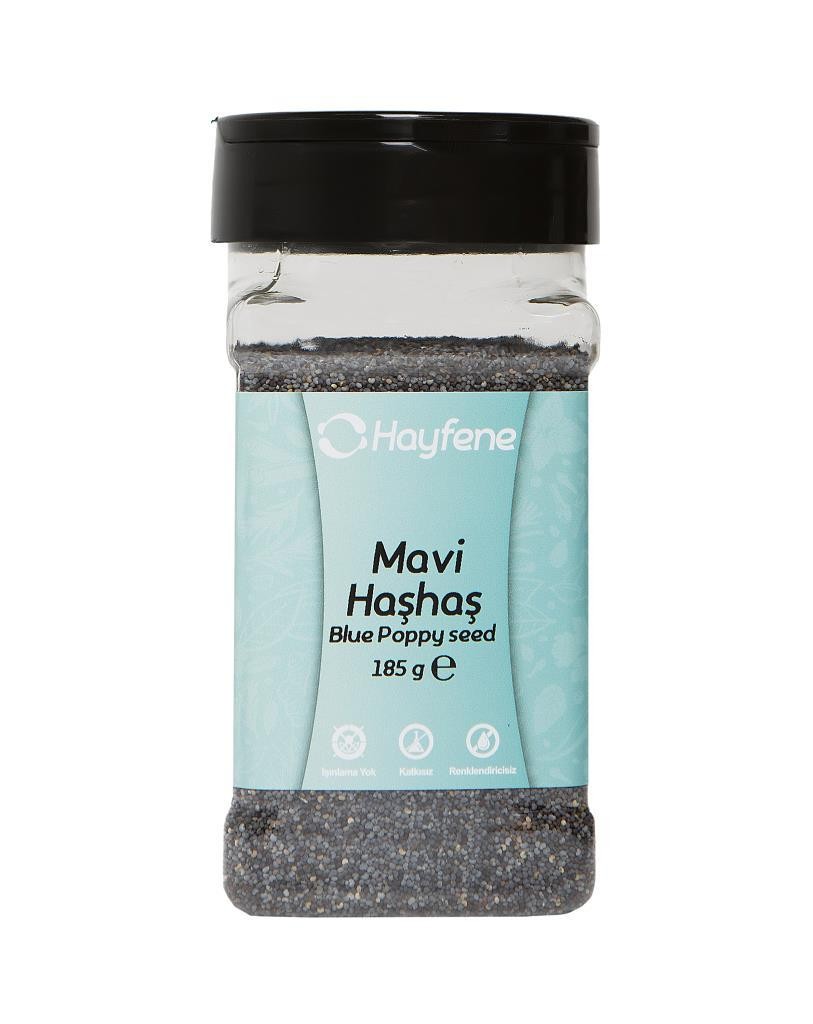
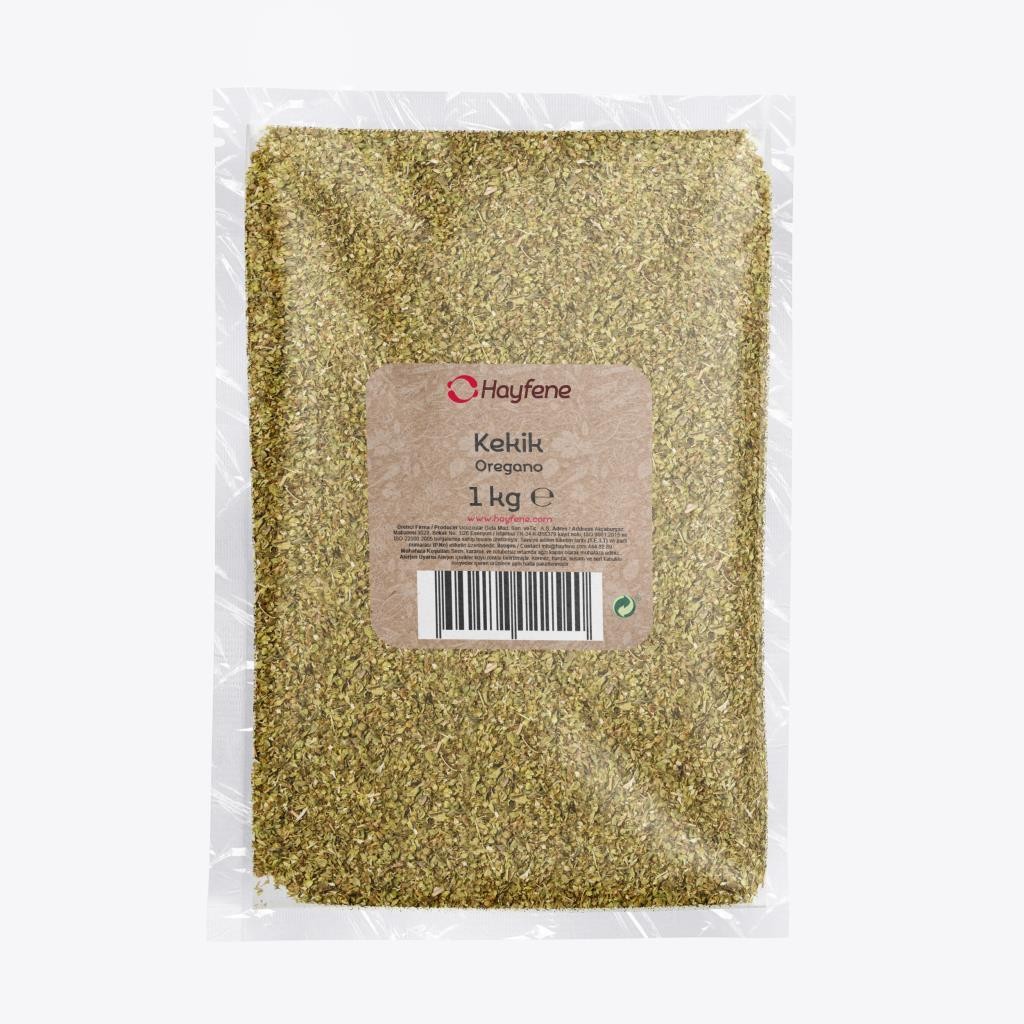
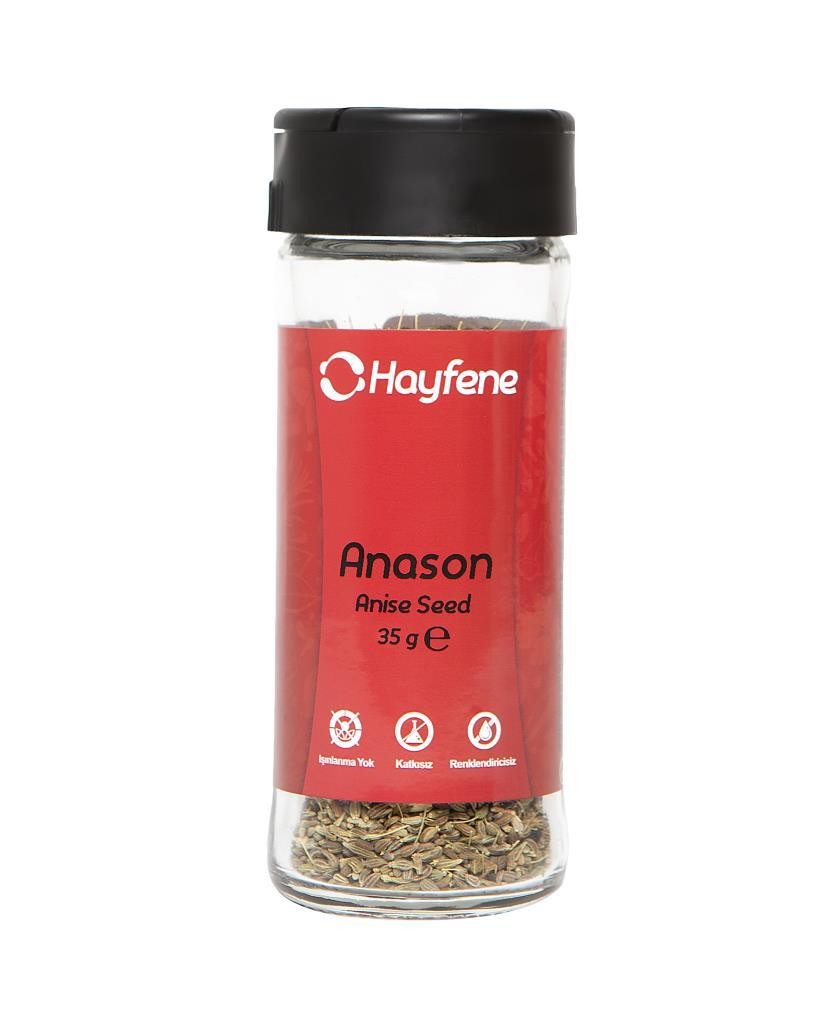
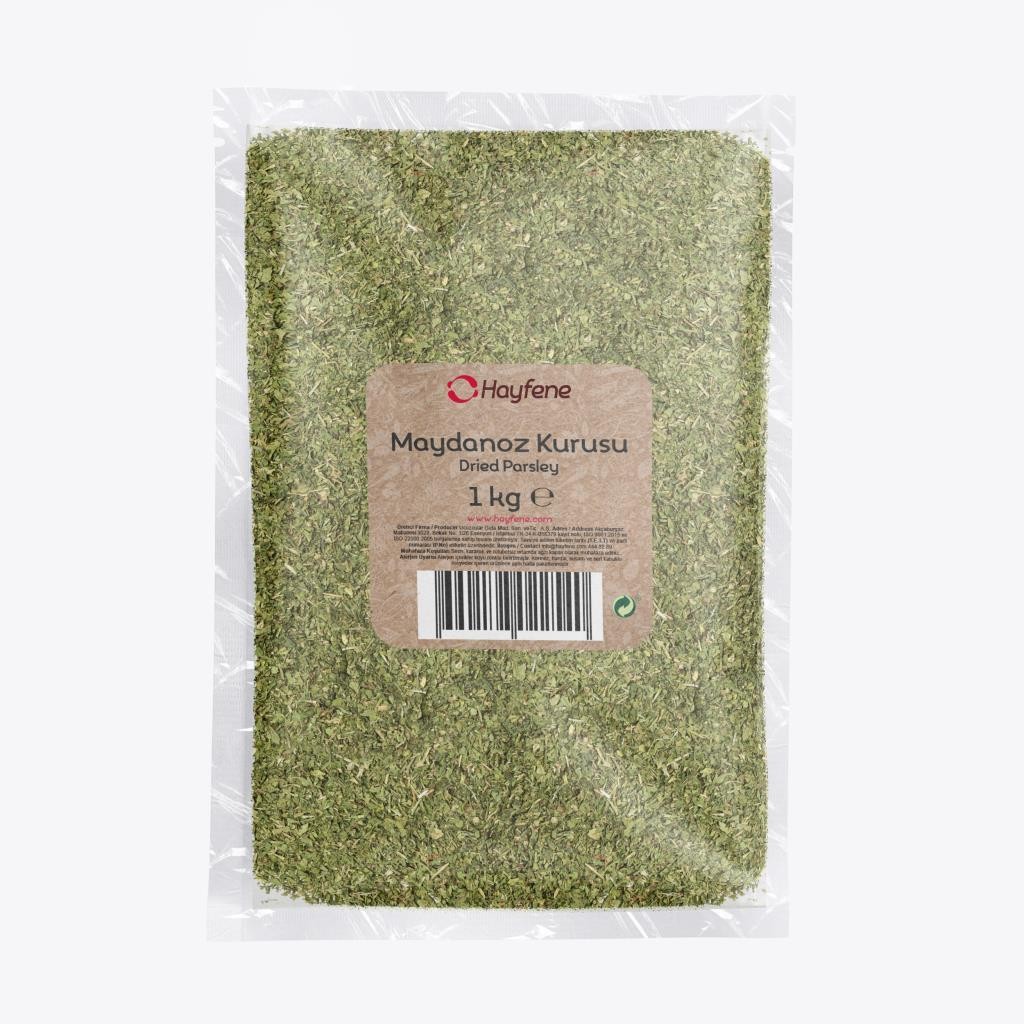
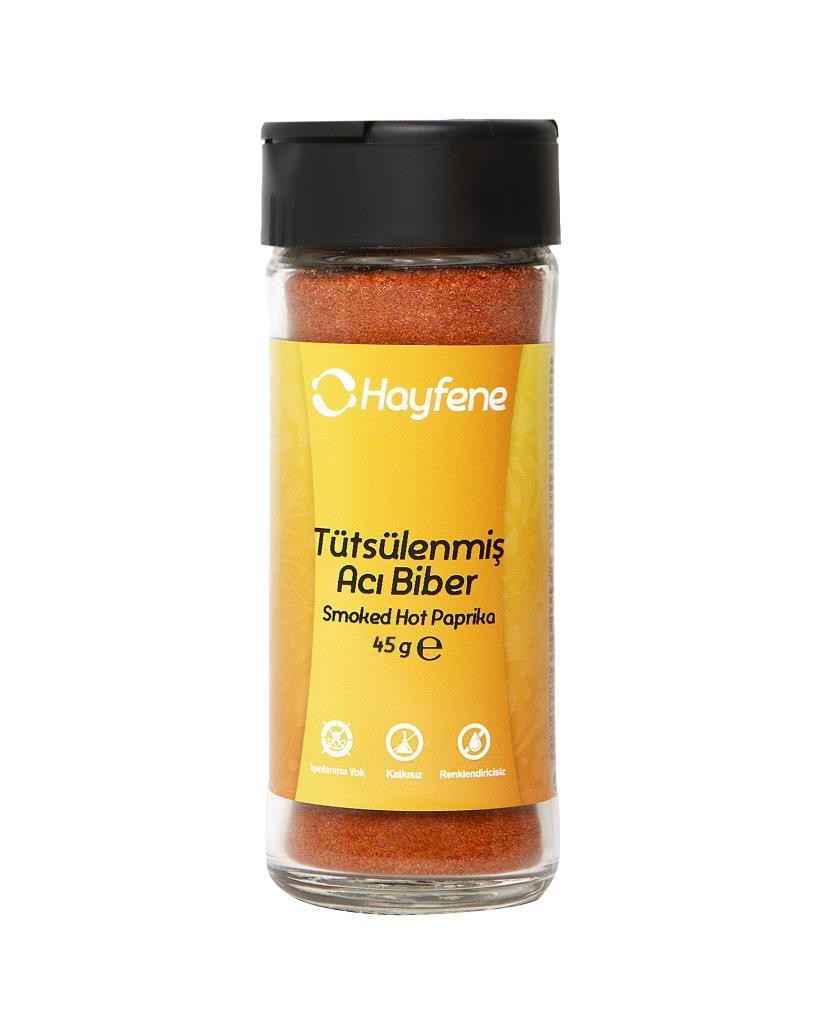
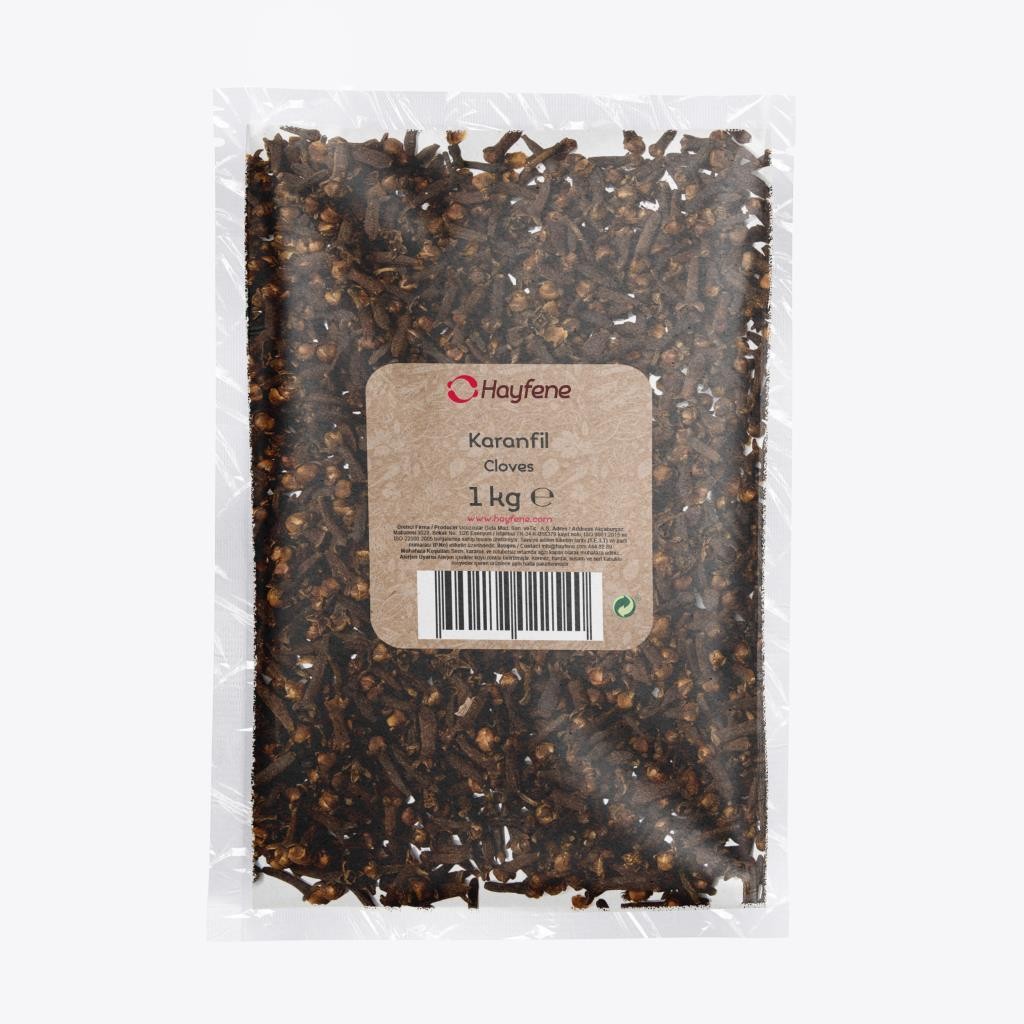
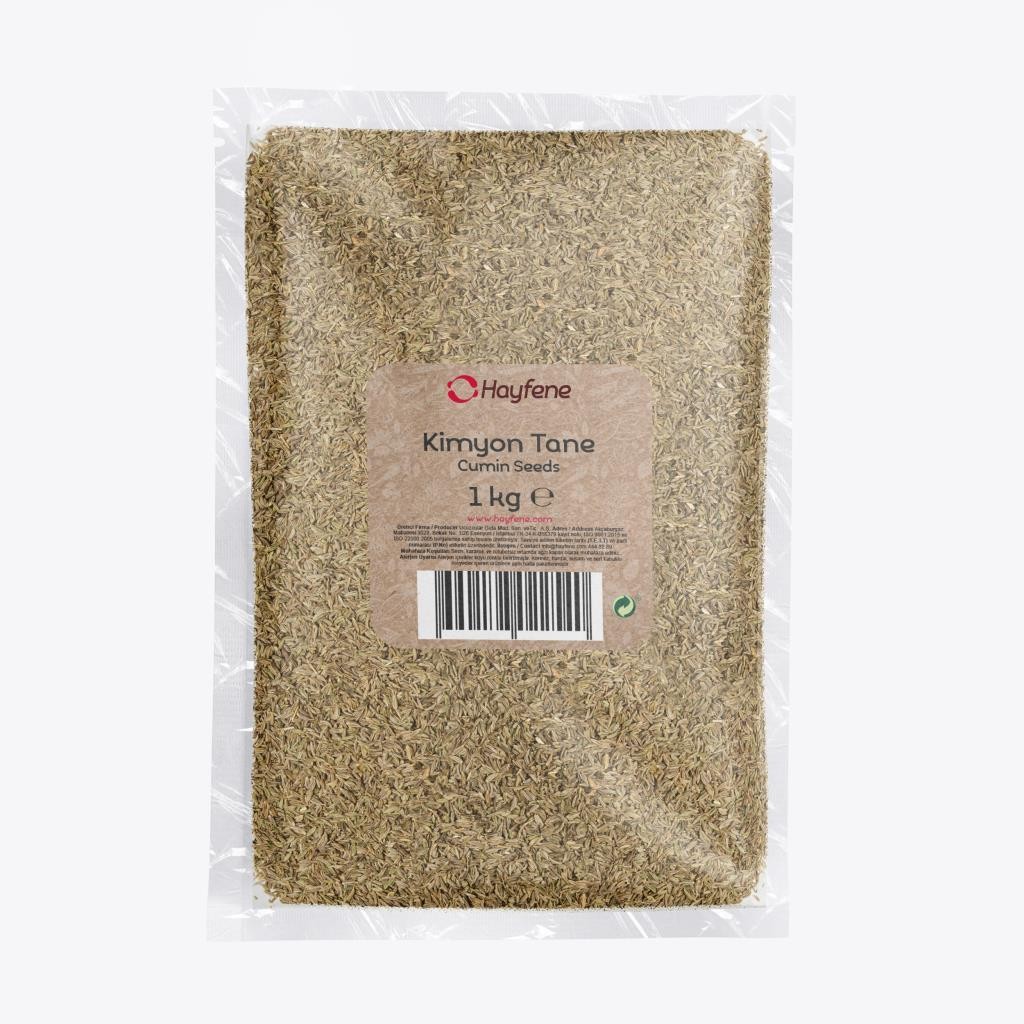


Hayfene Mutfak Kuruuyorum Set
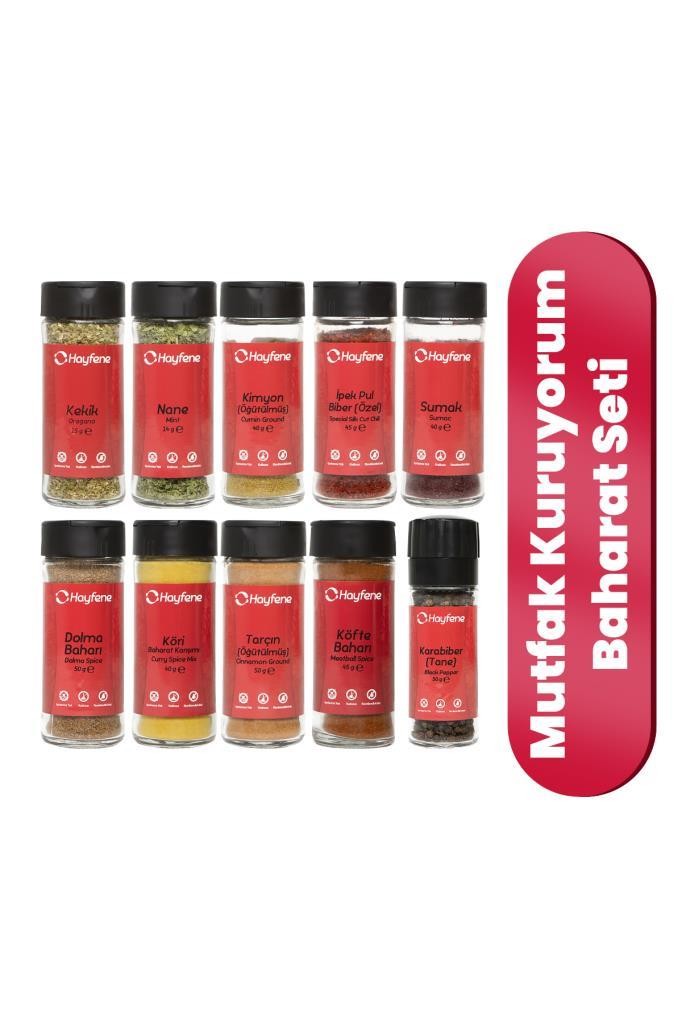
Mint;
It is a perennial herbaceous plant whose leaves are used fresh and dried for long-term use. Mint, which has nearly 90 species, is native to Central Europe and Asia, and 7 species grow in our country.
Thyme;
It is a Mediterranean plant. The region between Portugal, Italy and Greece in the Mediterranean is the gene center of thyme. Thyme, which is an indispensable seasoning for meat dishes, grows very easily. Its plant, which is in the form of a low-growing bush, grows by spreading. It is a green plant in every season. Thyme, which has many domestic and wild varieties, has a stronger aroma if grown on mountain slopes in dry climates where it gets plenty of sunlight.
Special Red Pepper Flakes;
Capsicum annum is a perennial herbaceous plant that grows as a local species in South and Central America. It usually grows in hot and dry climates. It has a densely branched structure that grows from 0.5 m to 1.5 m. It can have different names depending on the method of drying and turning it into a spice. Special silk chili pepper reveals its naturalness with its smell reminiscent of pepper paste. It is medium hot. It gives a wonderful flavor that no other chili pepper can give when consumed in dishes, soups or mixed with olive oil.
Black pepper;
It is one of the most common spices in the world, used to add a hot and appetizing flavor to dishes. Black pepper, which has been used fondly in India for thousands of years, can be found anywhere in the world today. Black pepper, which grows as a local species in South India and Sri Lanka, is a perennial tropical plant that wraps. It has green oval leaves and yellow flowers with a strong aroma.
Cumin;
It is a spice widely known in countries such as Mexico and India, and has been used as a traditional flavor in curry mixtures, local dishes and sauces in the Middle East for generations. What many people don't know is that cumin was a very popular seasoning in Roman and Hellenistic cultures, was found in Egyptian sarcophagi, was mentioned in the Bible, and has been used in people's lives continuously for thousands of years.
Sumac;
It is obtained by drying and pulverizing the fruits of a shrub plant that grows locally in the Middle East. Sumac, a species of the mahogany family, is widely used in Turkey and Arab countries. Historically, it is known that the Romans used the sumac spice, which they called Syrian sumac, to give a sour taste to dishes before they discovered lemon.
Meatball Spice;
As the name suggests, it is also used in meatballs. In addition to meatballs, it can be used in meatballs made of cheese, vegetables, chicken, and even tofu. It is also suitable for use in soups.
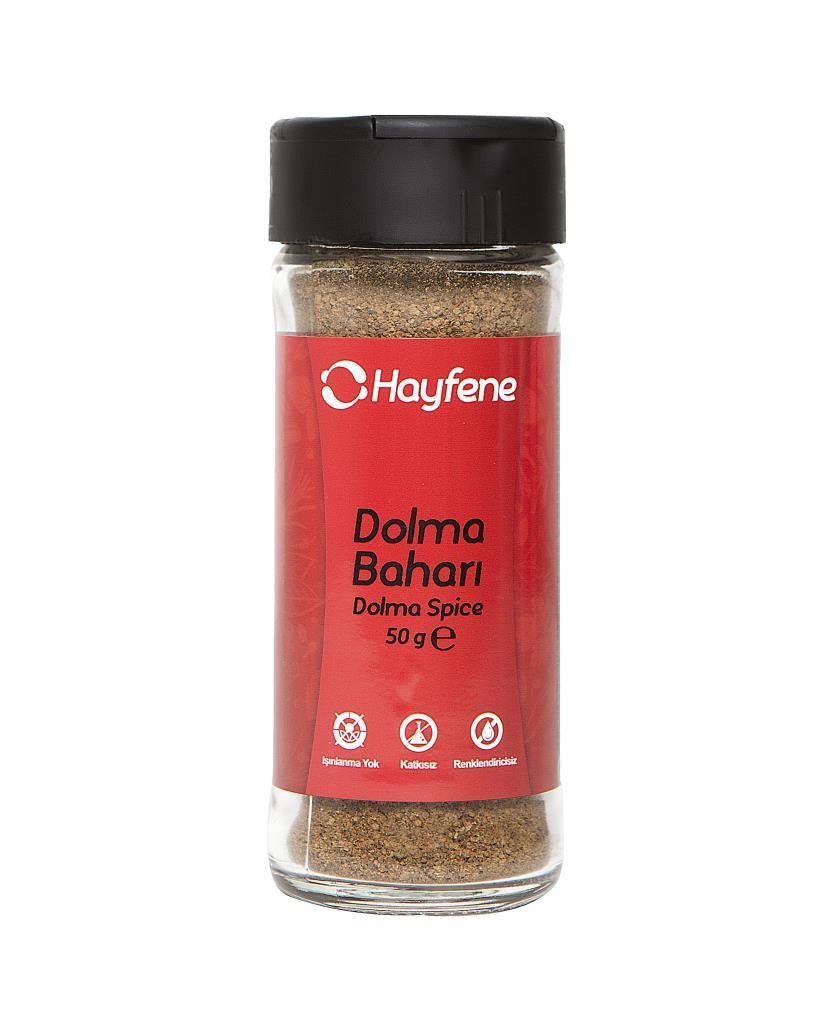
Stuffed Spice;
It is a mixture that contains spices such as black pepper and cinnamon, but mainly allspice. It is made up of a mixture of various spices. As its name suggests, it is a mixture that is especially put into stuffed vegetables and gives flavor.
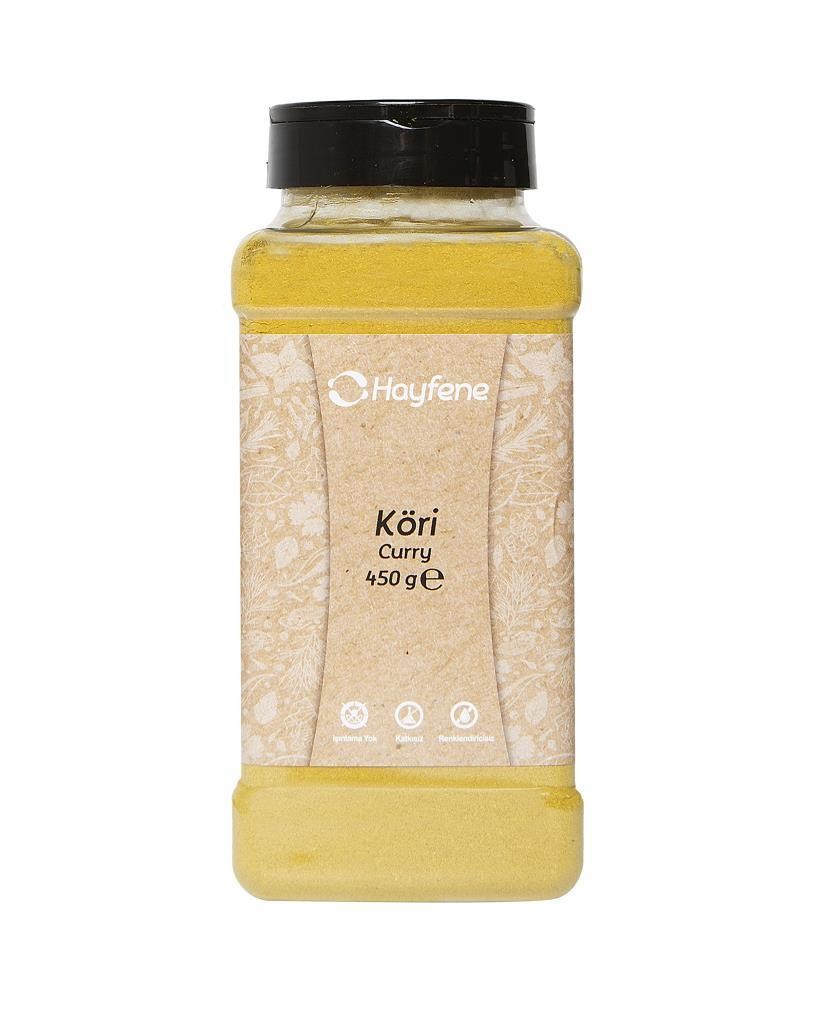
Curry;
It is an exotic spice mixture with an extremely rich smell and aroma, which is indispensable in Indian cuisine. It is obtained by mixing various spices such as coriander, mustard, cloves, bay leaves and onions in special proportions, especially turmeric, which gives the mixture its color and basic flavor. Curry can be used in many dishes from rice to soup, especially chicken dishes and cafe de paris sauce.
Cinnamon;
It is an evergreen aromatic tree species, whose homeland is South and Southeast Asia. It is a spice that has been used in kitchens since ancient times with its smell and flavor. It is preferred in many mixtures due to its beautiful smell. The sweet-spicy taste of cinnamon gives flavor to vegetables and fruits. It also harmonizes well with chocolate and chocolate desserts and drinks. It can also be added to drinks such as mulled wine, salep, and tea. If you want to make a delicious and different pilaf, you can first flavor the rice by adding cinnamon and then add grated dried fruit and hazelnut powders.
